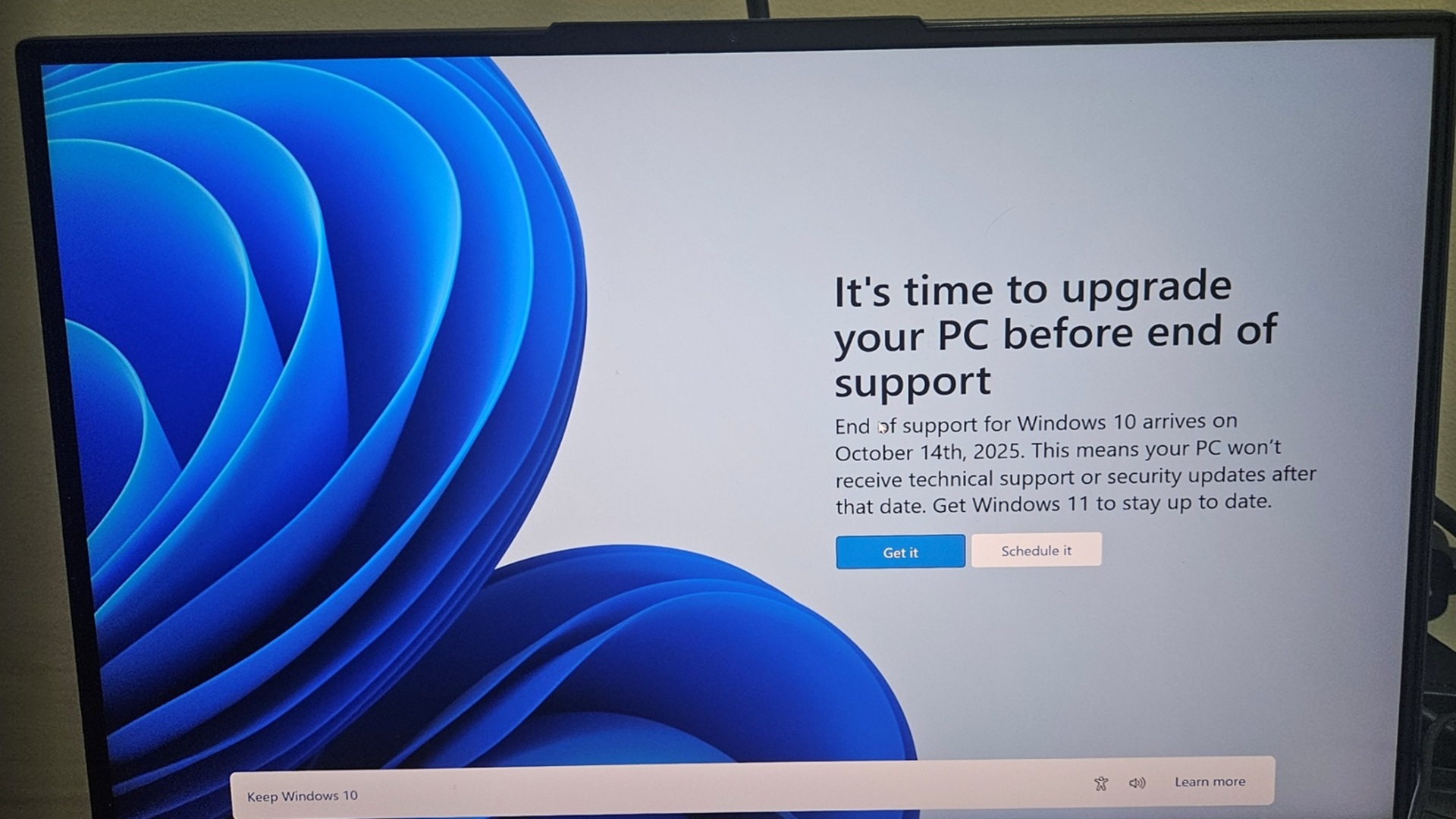
This Guide Will Help You Upgrade To Windows 8 And Office 365.
The ending of support for Windows 7 marked more than the end of an operating system; it signaled the end of an entire era of managing software licensing and management. For individuals and businesses clinging to `windows 7`, the upgrade path to Windows 11 is not a simple re-installation–it’s a migration to a fundamentally different digital paradigm. This change is evident from the method you buy a `windows 11 lizenz` to how you protect your system and collaborate with Office. The old world of one-time purchases, physical media, and isolated software suites has been replaced with cloud-integrated subscriptions, digital licences and security across the ecosystem. Navigating this transition requires understanding 10 crucial intersections that connect legacy practices and the latest requirements and where the choices you make regarding your OS directly affect your productivity suite, security position and future scalability.
1. Hardware Gauntlet. Your first and non-negotiable action.
Windows 11 hardware requirements are crucial to be aware of prior to buying Windows 11 (TPM 2, Secure Boot Modern CPU). Windows 7 and older machines are likely to not pass the test, especially those built before 2017. This isn’t just an opportunity for Microsoft cash grab; it’s also a security necessity. These features serve as the “hardware base of trust” that is the foundation upon the third-party security solutions such as Kaspersky Premium and Windows Defender rely. In attempting to circumvent these requirements with unofficial ISO modifications results in an unstable, unsupportable platform which negates the security advantages that come with the upgrade, making you more vulnerable than on Windows 7.
2. License Migration Myth – Your Windows 7 key is (mostly) outdated
In the past, it was possible to use the Windows 7 Pro activation key for Windows 10. Windows 11 no longer has this grace period. Windows 7 OEM licences are not valid for Windows 11 installations if your hardware is old. You are starting fresh. You’re beginning from scratch.
3. The Office Licensing Revolution: From Standalone To Ecosystem
You’re probably used to an ‘office lizenz’ when you’re running Office 2010 on Windows 7. Office 2021 was a dead start product on the day it was launched. It received security updates but it didn’t have any new features. Microsoft 365, the subscription-based upgrade for productivity, is now the most popular option. The change is significant and you’re not just updating Office; you’re adopting a cloud identity (Azure AD) with 1TB of OneDrive storage, and also enabling real-time collaboration. You should rethink your old routine of buying office licenses once every decade instead of making it a regular operating expense that includes updates and services.
4. Security Cannot Be An Afterthought. Reset the paradigm.
If you’re using Windows 7, your strategy probably involved a third-party antivirus like an old `norton 360` suite. Windows 11 is a game changer. Windows Security Defender, the integrated security application included in Windows 11, is a top-of-the-line solution that integrates with cloud services. Simply installing your old third-party suite can create problems and slowdowns in performance. When you upgrade to a new version, it’s the perfect moment to reevaluate. Are you really in need of an additional antivirus program like “kaspersky premium” or is Defender’s mix with the new hardware security features enough? Your answer will depend on your threat model. The idea that you must purchase an antivirus program separately is no longer the case.
5. The Clean Install Imperative and Data Migration Strategy
Upgrades in-place from Windows 7 to 11 is not supported and is a recipe for instability. The installation should be clean. This process forces a disciplined data migration. It’s the best moment to stop backing up to local drives and implement a cloud strategy. The Microsoft 365 subscription includes OneDrive; configuring Known Folder Move (to back up Desktop, Documents, Pictures) during setup transforms your data migration from being a manual task into a seamless, continuous cloud-synched process. Your data moves from being PC-locked to the user’s.
6. The Professional Feature Crossroads – Pro is Now the Minimum.
If you have used Windows 7 Professional for domain join, BitLocker, or Remote Desktop hosting, you need to purchase the Windows 11 professional version. It’s not a good idea to make use of Windows 11’s home key for business or professional use. Home lacks BitLocker and Group Policy Editor. It’s ineligible to join domains and can’t encrypt data. Windows 11 Pro with a Microsoft 365 Business Subscription or a Retail License is the ideal alternative for anyone looking to make the switch from Windows 7 Pro.
7. Beware Grey Market Sirens During Transition.
The pressure to upgrade and the sticker shock triggered by new licenses is driving a lot of people to look for cheap windows11 OEM key on the grey market. This is a disastrous mistake when you’re in the transition. These keys are not reliable and leave you with an illegitimate base, even as you’re constructing a new system. Investing an authentic Retail license or Windows subscription (like Microsoft 365 Business) You’ll have security, immediate customer support, and a guaranteed that you will be able to upgrade in the future. A grey market key can cost the user time and data if it’s removed.
8. Cloud-based Future-Proofing – The Server Connection
Windows 7 machines that were part of domain networks will likely be replaced with a server similar to windows 2025. Windows 11 Pro is not sufficient to allow for modern integration. It is also important to be aware of cals, also known as Client Access Licenses. Azure Active Directory is the cloud alternative and is available within Microsoft 365 Business. If you are upgrading from Windows 7, you will have to decide which option you prefer: continue to invest in CALs and servers on-premise or opt for an identity management in the cloud and device management through subscription (Intune). Cost structures and licensing differ in a fundamental way.
9. Driver Archaeology, and the need to Have an Modern Hardware Base
Windows 7 was built on the old drivers library. Windows 11 relies upon modern drivers, and they are typically sourced via the cloud. Windows 7 can be unreplaceable when you own special hardware. Upgrade assessments should include testing for compatibility with hardware. It is usually discovered that upgrades need new hardware. The most stable and practical option would be to buy a new laptop with Windows 11 OEM pre-installed.
10. A shift in philosophy from Ownership to Management and Access.
In the end, upgrading from Windows 7 is a philosophical change. It’s a change from having a piece of software that is static (windows 7 DVD or Office 2010 box), to subscribing for a continuously updated service or buying a license that has strict transfers rules. The security model shifts from an add-on antivirus program to one that integrates hardware protection. Data shifts from local storage to cloud-based storage. Accepting the whole-of-life change by using legitimate Windows 11 Pro licensing, an Microsoft 365 membership, and taking advantage of the modern security is the only option to make sure that the upgrade is not just a new OS but also a dependable and manageable computing platform for the coming decade. View the most popular windows 11 home key for blog examples including windows server os, office 365 key, windows server 2019, microsoft office 2016, microsoft ms office 2016, windows server os, microsoft office 2019, office key, microsoft visio software, microsoft office 2019 and more.
The Real Cost Of Software. Why A Legit Window License And Antivirus Will Save You Money.
In the digital economy the desire for short-term savings on software can cause a long-term financial crisis. The calculus of purchasing a cheap `windows 11 oem` key from a grey-market site or not using a reliable antivirus program like kaspersky premium in favor of nothing is a fundamental misinterpretation of the risks and benefits. The true cost of software is not its purchase price, but the total Cost of ownership (TCO): the sum of security breaches, data loss, downtime, compliance fines, and lost productivity over the course of its life. Companies and serious users are not advised to consider a genuine Windows lizenz or professional-grade software suite as expenses. Instead they should see them as critical infrastructure investments that can yield an immediate ROI, by decreasing risk. The analysis exposes the 10 hidden costs that make the “cheap” option extremely expensive. This covers everything from OS licensing and productivity software to server infrastructure.
1. The Grey Market License – It’s not an Asset!
Windows 11 lizenz purchase from a seller who is not authorized creates liability. Microsoft can disable the keys in bulk, and they usually are bulk licenses or MSDN keys that are in violation of the terms. The immediate cost is a non-functional OS, but the true cost is the unpredicted cost that will result from the hours of IT work to recover information, the expense of a legitimate license at retail price under duress as well as the time lost by businesses while a critical workstation is an impediment. The cost of an ineffective OS is immediate, but the actual cost is the unbudgeted crisis: the hours of IT-related labor required to retrieve data, the cost of a valid license at retail prices under duress, and the business downtime when a crucial workstation is destroyed. A valid, legitimate license, whether it’s from a retailer or an OEM issued by the manufacturer, is a reliable asset that can be trusted over the life of the hardware.
2. OS Integrity Determines Security Software Efficacy
Antivirus programs like Kaspersky Premium and Norton 360 are based on the kernel. They need a reliable unmodified operating system core. A grey-market Windows installation typically utilizes modified system files or activation scripts to avoid the validation process. The modifications can be detected and cause instability to security suites or, even worse, create backdoors to render antivirus blind. This is similar to paying for an additional security guard, only to have them stationed at the entrance of a structure with architectural plans offered by criminals. The security guard’s efficiency is ruined by the corrupted foundation.
3. Time Bombs of Compliance and Audit for Business
If a business uses unlicensed programs, they are playing Russian roulette. A company that runs Windows 2025 with the correct “cals”, but has clients running grey-market Windows will be slapped with an “true up” bill, which includes the entire retail price of each desktop license that is illegal in addition to possible penalties. The unexpected and unplanned capital expenditure can amount to tens thousands of dollars. It will outweigh all savings in the past. The legitimate license is an insurance policy against this existential financial shock.
4. Data Loss Costs: The Budgeted Final Cost
Security vulnerabilities that are not patched are the main vectors for ransomware, malware for data theft and various other malicious software. Windows Updates are prone to breaking or delayed by non-genuine Windows. A system is vulnerable without regular security updates. The cost of a single ransomware infection, which includes the ransom fee (with no assurance that it will be paid) and the expense for investigational IT services and lost data and the interruption to business, can put an individual company in financial ruin. The costs of a genuine Windows 11 Pro license and an antivirus subscription of the highest quality is a small monthly cost against this risk that is multi-million dollars.
5. Productivity Suite Instability On a Fake Base.
Installing a legitimate office license on an untrue Windows installation is like making a house out of sand. Office activation and updates are dependent on the integrity of the Microsoft ecosystem. An inactive or damaged Windows may cause issues with Office activation, resulting in decreased functionality banners, losing cloud sync and even crashes. If the OS was designed to fail, then investing in productivity software could be a waste. A stable and reliable productivity system requires a and reliable OS.
6. The IT labor multiplier of a fragmented, unofficial stack.
The management of a PC network that have different grey-market keys mixed antivirus solutions and no central management is an IT nightmare. Each issue is not supported and requires a considerable amount of time to identify. Take a look at the fleet equipped with Windows 11 Pro licensed computers, managed through Intune (included in Microsoft 365 Business), and a security console that is centrally managed. This will reduce the time it takes to fix (MTTR) by an order of magnitude. The “savings on software licenses” translate directly into a massive increase in the labor cost for your IT staff.
7. The upgrade path dead end and its future cost
A gray-market windows11 home key` (or Pro key) offers no legitimate upgrade path. You’ll have to purchase another full license, typically at a higher price, when it comes time to transfer your hardware or integrate an entirely new Windows Server 2025 computer. An active Retail License can be transferred. Microsoft 365 comes with continuous upgrade rights. The cheap keys entangle you in a perpetual cycle of repurchasing. But, the genuine key gives you a clear, cost-predictable path forward and secures the original investment.
8. Performance Taxes of “Bargain” Software and Conflicts.
To enable grey-market Windows software, illegal tools typically run persistent background tasks that use CPU and RAM resources. This interferes with legitimate security software and tools. The “performance tax” could slow down trading platforms. It can also impact development environments. The time lost to slower performance–compounded over months and years–represents a significant, hidden cost in lost human productivity. A clean, reputable system ensures all hardware resources are dedicated to your actual work.
9. Professional Reputation and Client Trust Erosion.
Unlicensed software can be a huge risk to a business. If a customer or business partner is able to discover that you’re cutting corners on your foundational application software, this can undermine trust between both the parties. This indicates a lack of concern for legality, safety, and integrity of operation. This is a significant disadvantage in competitive bids or due diligence funding. Costs can include lost contracts, lost partners and damaged brands all of which are higher than software licensing fees.
10. The Value of the Holistic Ecosystem. Savings that are not unified.
For companies, the most effective method is to build a legitimate ecosystem that includes every app and services. Microsoft 365 Business Premium, for example is an excellent choice for companies. It comes with Windows 11 Pro with upgrade rights, the latest Office applications as well as secure cloud storage that is 1TB, email for business, advanced security/mobile management and all this with a fixed price per user. This will eliminate the grey market Windows hunt (`windows 11 kaufen`), the standalone `office license kaufen as well as the necessity for an additional antivirus since it has an enhanced version of Defender. TCOs are transparent, manageable, legal, and affordable. The “savings” by putting together illegal components is a mirage that vanishes when exposed to the reality of risk, labor and loss. Take a look at the most popular kaspersky premium for more examples including microsoft project, microsoft office software key, microsoft visio, windows server 2016, office 2019 professional plus, office key, office 365 office key, windows server 2019, ms project, office 2016 software and more.